



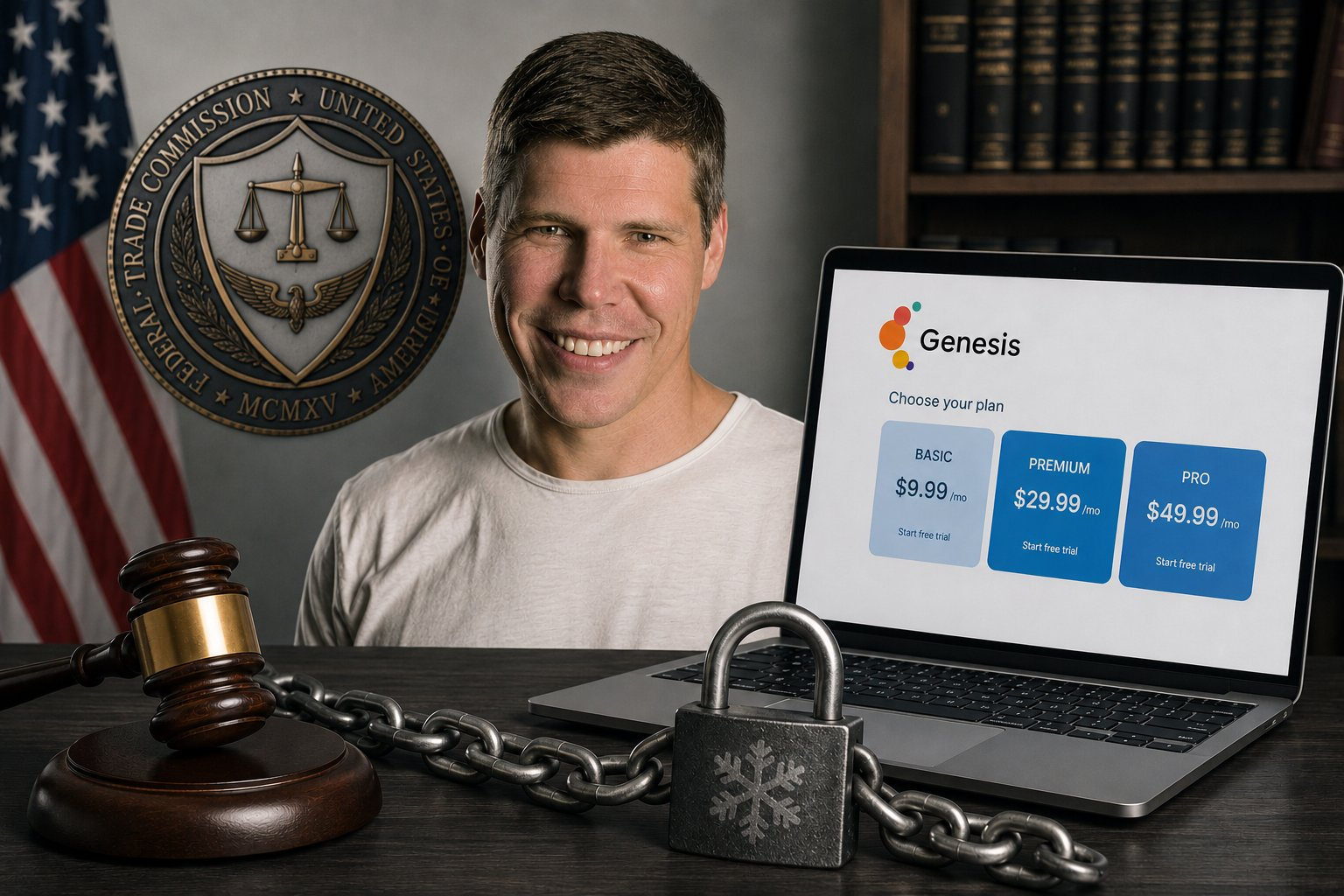
For years, the Genesis holding company positioned itself as a prime example of success in the Ukrainian product IT sector. The company boasted a multi-million user base, the status of one of the country’s largest employers, residency in “Diia.City,” and deep partnerships with government institutions. However, behind the facade of an innovative business creating educational and fitness apps lay a complex international network that for years drained hundreds of millions of dollars from users worldwide.
On June 17, 2026, the U.S. Federal Trade Commission (FTC) dealt a devastating blow to this ecosystem. The American government filed a lawsuit against 15 affiliated corporations and 8 top managers, securing a temporary injunction against the operations of the Genesis Tech network. The regulator accused the company of violating the Restore Online Shoppers’ Confidence Act (ROSCA) and orchestrating a global deceptive subscription scheme (Dark Patterns).
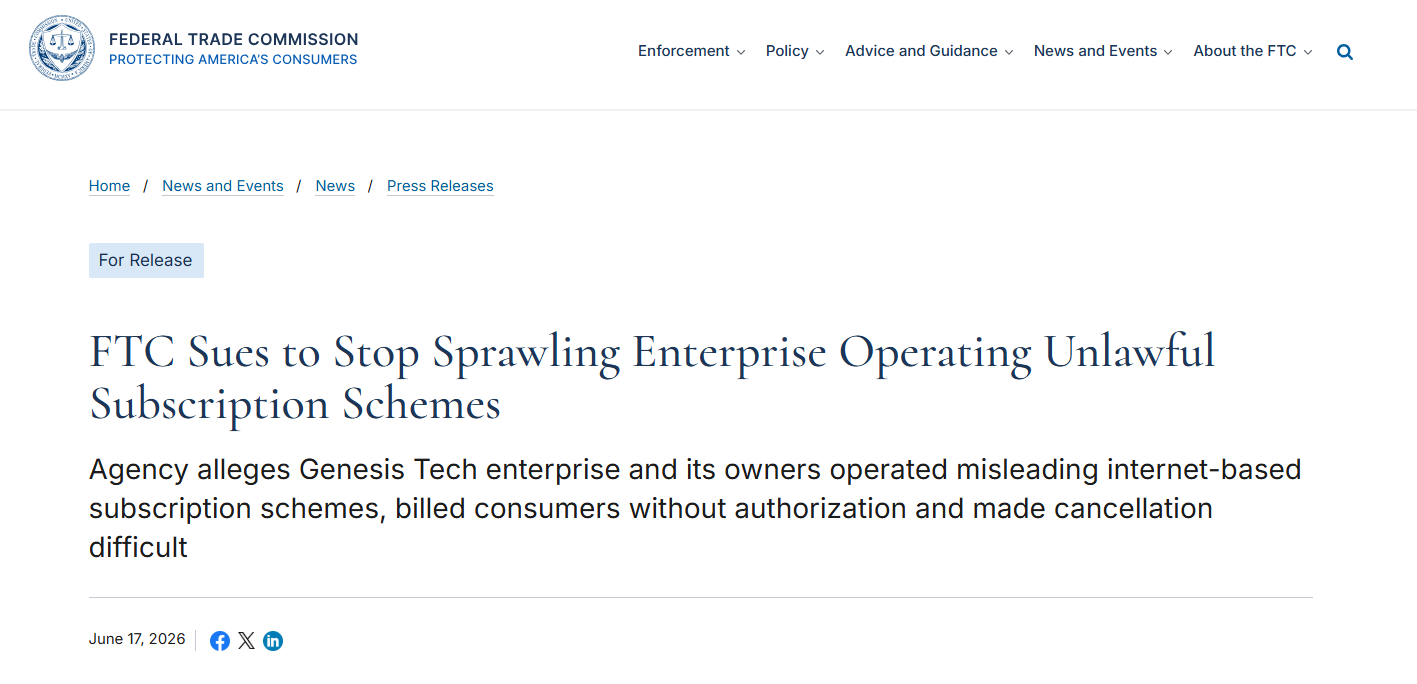
This investigation, based on FTC materials and open-source data, reveals the true anatomy of Genesis’s business: from the mechanics of mass deception and an extensive offshore network to Russian investors and a dark past in the pornography industry.
The Financial Machine: $700 Million on “One-Time” Payments
The scale of Genesis Tech’s operations surprises even experienced financial analysts. According to FTC documents, nearly $700 million passed through the company’s affiliated PayPal accounts alone in a 12-month period (up to September 2025). From the beginning of 2023 to mid-2025, five of the holding’s key products generated nearly a quarter of a billion dollars in revenue.
These products include Wisey, an app for “treating” ADHD (Attention Deficit Hyperactivity Disorder); the PDF editors PDF Guru and PDF Master; Lumi, a fashion advice service; Nebula, an esoteric app; as well as the fitness apps MadMuscles, Harna, and Unimeal. All of them operated under a single, highly standardized scheme that the FTC classified as fraudulent.
The mechanics of the deception consisted of several elements:
- Fake Personalization and Diagnoses. Advertisements lured users into taking a quiz (test). For instance, no matter how a person answered the questions, the Wisey app always generated a result indicating they had ADHD symptoms. The esoteric app Nebula simulated “palm reading” via the smartphone camera, promising to reveal the “archetype of feminine energy.” Fitness apps also created the illusion of building a personalized plan.
- Artificial Urgency. After completing the test, a “wheel of fortune” would appear, always landing on the maximum discount (e.g., 62% or 67%). A 10-minute timer would immediately start ticking, creating pressure to make a quick decision.
- The Fine Print Trap. Users were offered “one-time” or “trial” access for a nominal fee—ranging from $0.99 to $5. However, in the tiniest gray text, often hidden far down the page or beneath the payment button, lay a condition: if the customer did not cancel the service within a short period, they would be automatically subscribed to recurrent (regular) charges of $40 to $60 per month.
- Unauthorized Upsells. After card details were entered, the company often offered additional services—such as “meal plans,” vitamins, or “hair styling guides.” The decline button was barely visible, and consenting to the purchase required no extra confirmation. This resulted in multiple charges being deducted from cards on the exact same day without the customer’s knowledge.
When defrauded consumers tried to cancel their subscriptions, they hit a brick wall. Cancel buttons were nonexistent, and customer support ignored emails or demanded lengthy explanations.
The most cynical practice belonged to the Lumi app. When customers filed mass fraud disputes through the PayPal payment system, the company offered them a deal: Lumi promised an instant refund, but only on the condition that the user first cancelled their complaint with PayPal. This allowed Genesis to artificially suppress complaint rates, bypass PayPal’s anti-fraud algorithms, and prevent their accounts from being frozen. However, even after customers closed their disputes, the company frequently failed to return the money.
The Offshore Labyrinth: The “Common Enterprise” Doctrine
To shield this multi-million dollar empire from American regulators and payment systems (Visa, Mastercard), Genesis built a labyrinthine network of dozens of shell companies.
According to the FTC investigation, Genesis Tech operates as a “Common Enterprise.” The scheme looked like this: marketing and development were concentrated in Cyprus (companies like GM Universeapps Limited, Koflimin Limited, Lopofist Limited, Amomedia Limited, etc.) and in Ukraine, where the technical teams were based. However, to access the US financial system, the Cypriot companies utilized front firms registered in the state of Delaware (Growthmind Labs Ltd., Gurudocs Ltd., Yolo Brothers Inc., Evertech Inc.) with US-resident directors.
The US regulator notes that Genesis constantly spun up new products, registered new corporate entities, and opened new merchant accounts as soon as previous ones were blocked due to an excessive volume of chargebacks (refunds). Collected funds were immediately transferred abroad through a system of interconnected corporate accounts.
Furthermore, the investigation shatters the holding’s PR myth regarding “successful exits” (projects spinning off into independent entities). For years, Genesis publicly claimed that a number of well-known products had allegedly broken away from the parent structure to become independent businesses. However, such claims often contradict themselves and the company’s official data.
The most telling example is the situation with the AmoMedia project. In an interview from September 2020, the holding’s CEO, Volodymyr Mnogoletniy, officially stated that this project had achieved complete independence back in 2018.
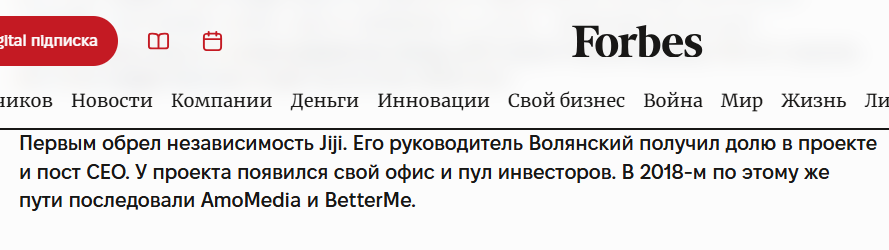
However, as of 2026, on the group’s main website (gen.tech), Amo continues to be explicitly listed as an active Genesis project and a part of their ecosystem.
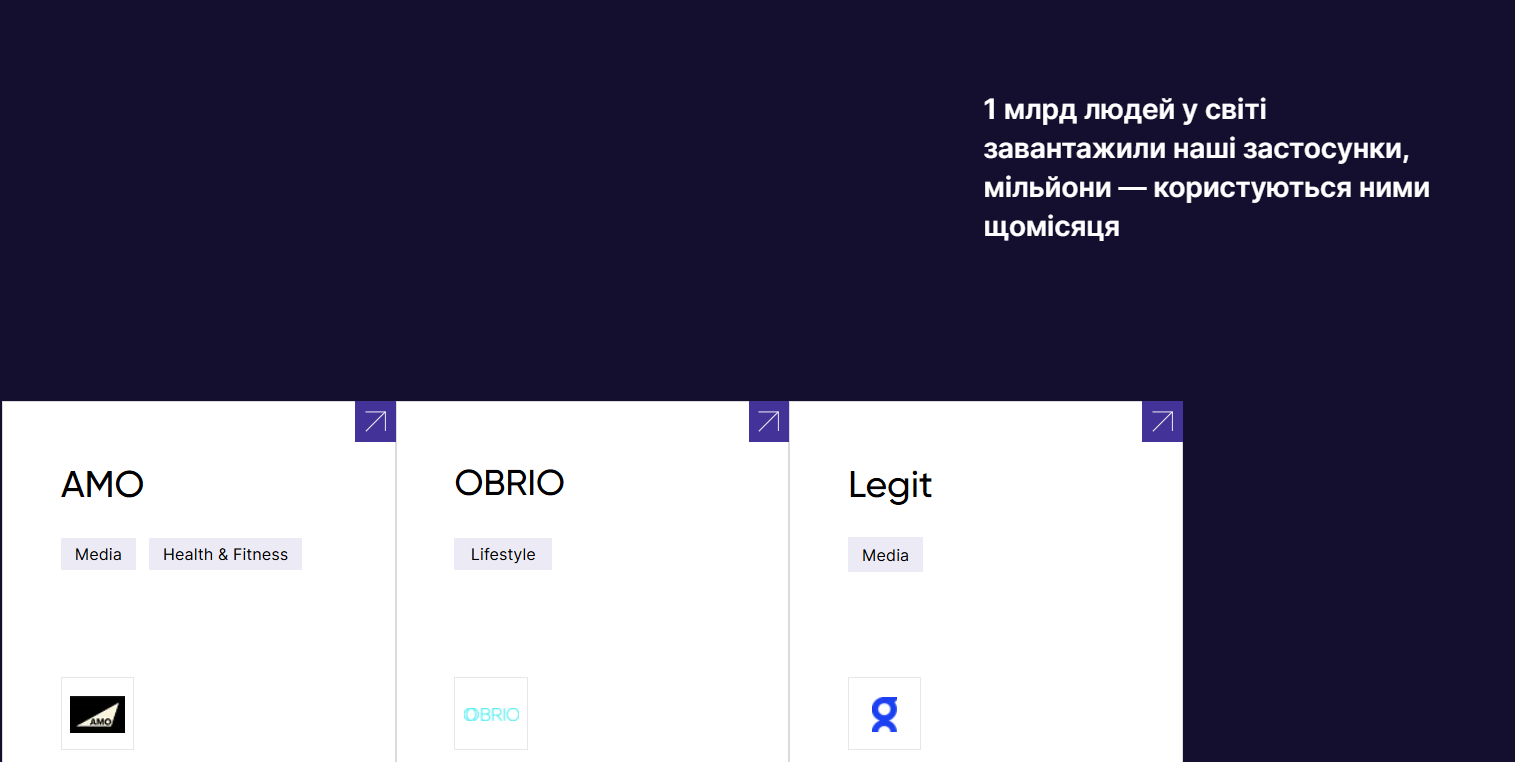
The fact that AMO was previously AmoMedia is explicitly stated on the official website:

Such striking contradictions confirm that the high-profile public separation of businesses was rather a convenient tool for diversifying risks and attracting specialized investors, while in reality, the projects continued to remain under the control of a single ecosystem.
The Dark Past: From Dating and Webcam to In-House Processing
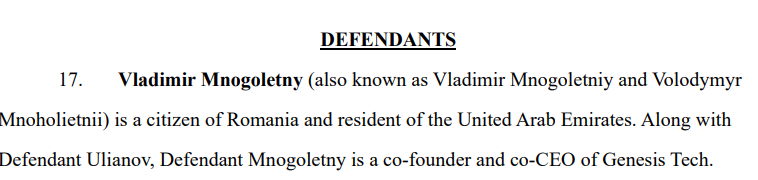
The current defendants in the FTC lawsuit—the company’s CEO Volodymyr Mnogoletniy and co-founder Vasyl Ulyanov (according to the FTC, both hold Romanian citizenship and reside in the UAE)—are no strangers to employing questionable business models.
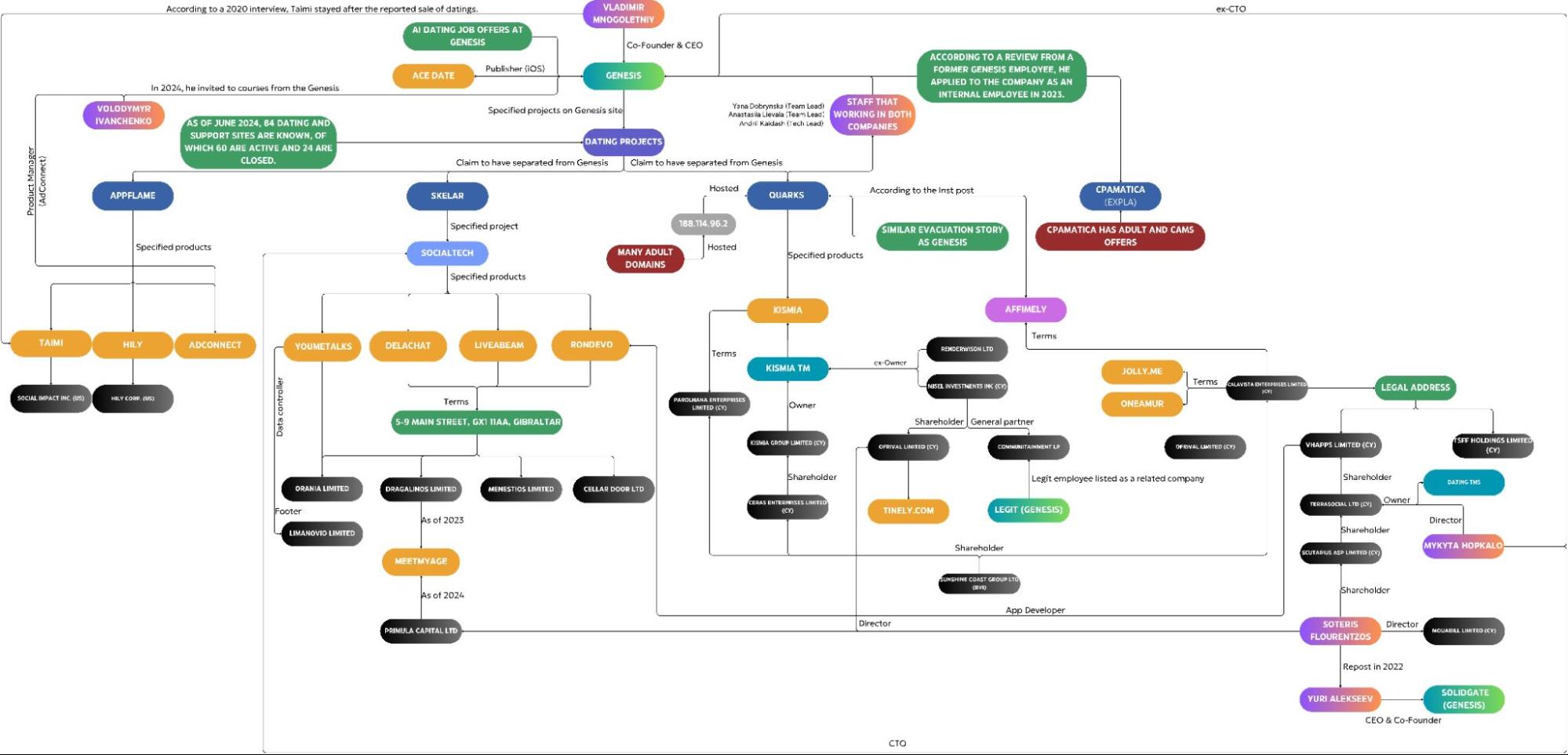
The Genesis empire began its rapid growth within the dating (online dating) and adult (adult content) industries. According to open sources and individuals close to the matter, their portfolio included websites such as Kismia, VictoriaDates, SPDate, as well as explicit porn and webcam resources like fuck-me.io and fuck-me.life.
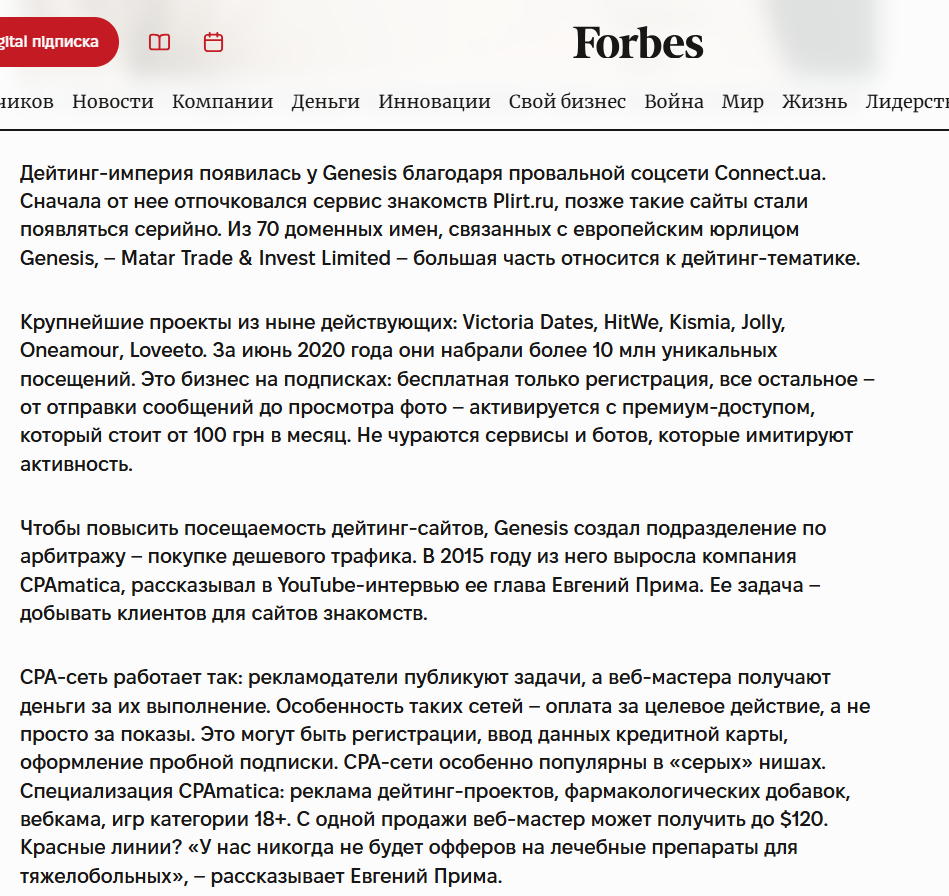
The Kings of Adult Traffic from Genesis” was published following a Forbes interview, which claimed that the company had supposedly sold off its dating assets entirely to an unnamed buyer. However, the investigation proved that this exit was a fictitious reshuffling of the business between their own offshores, aimed at scrubbing the holding’s reputation and saving its main “white-hat” product, BetterMe, from a toxic background.
An analysis of the web of legal entities revealed that even after the high-profile announcement of the sale—when the trademarks of the dating sites were transferred to a company named Graell Management Limited—money was still being collected from users by the exact same Cypriot front, Renderwison Ltd. This very same firm simultaneously owned the BetterMe trademark in Europe, and its ultimate beneficial owner remained Genesis’s parent offshore, Matar Trade & Invest Limited.
Furthermore, investigators uncovered direct evidence that the holding’s dating platforms were being pumped with traffic from escort resources and Pornhub, while the email address and phone number of an active Genesis tax manager directly appeared in the registration databases of explicit porn sites (such as babes2date.com). Given the lawsuits in the US for mass porn-spamming (against their affiliated American company, Communitainment, Inc.), the holding was simply forced to hide the tracks of its shadow earnings behind new storefronts.
The diagram below illustrates the connections between Genesis and Adult projects:
Moreover, it was precisely due to the specifics of the dating industry—where the rate of dissatisfied clients and chargebacks is critically high—that Genesis created its own payment system, SolidGate, in 2017. Technical documentation and archives hint that SolidGate may have been specifically configured to reduce the chargeback ratio for dating operators by processing “recurring transactions” and blurring transaction trails. In other shifting terms, the technology for manipulating payment systems, which ultimately caught the attention of the US government, had been honed for years on dating websites.
Russian Money and Founders’ Connections
Perhaps the most painful blow to the image of a “patriotic IT company” is its deep Russian background. Even leaving aside Volodymyr Mnogoletniy’s Russian citizenship, the connections to Russia were extensive.

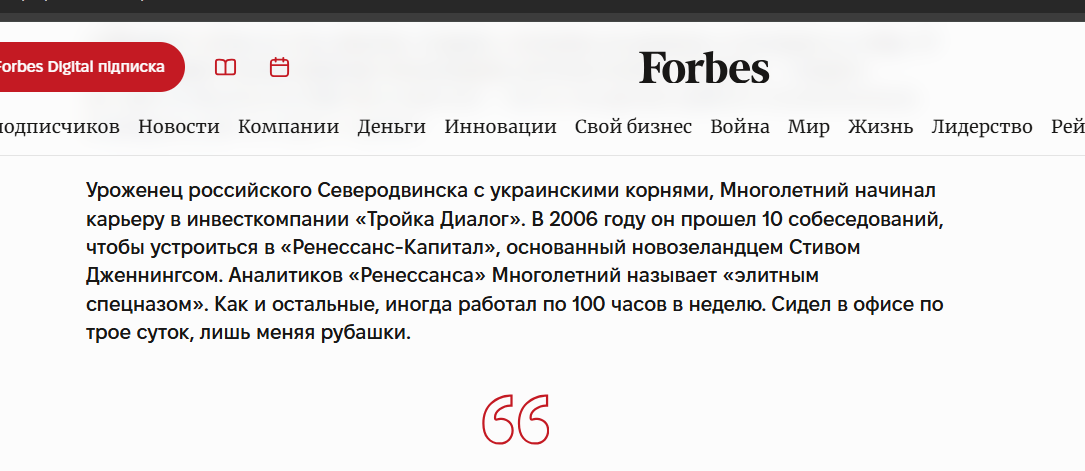
According to sources, the foundation of the holding company was built on money from investors from the Russian Federation. According to documents, funds were brought into Genesis by Russian billionaire Felix Lyubashevsky (via Renaissance Capital), as well as by the co-founders of Mail.ru Group and “Odnoklassniki,” Grigory Finger and Ilya Shirokov. Volodymyr Mnogoletniy himself also mentions his time working at Renaissance.
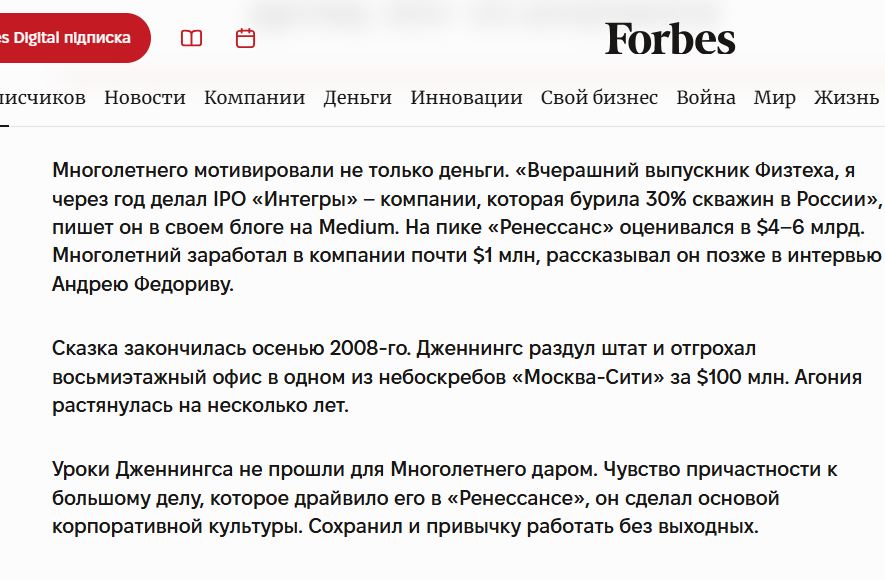
Lyubashevsky is the president of the Russian oilfield services company “Integra,” which is a partner of the sanctioned companies “Gazprom,” “Rosneft,” and “Lukoil.” Despite the full-scale war, the venture capital fund of the Genesis ecosystem (Flyer One Ventures) continued to invest millions of dollars in Russian startups even in February 2022, particularly in Lyubashevsky’s own project Greenscreens.ai, as well as in Level Up Basketball, branches of which operated in annexed Crimea.
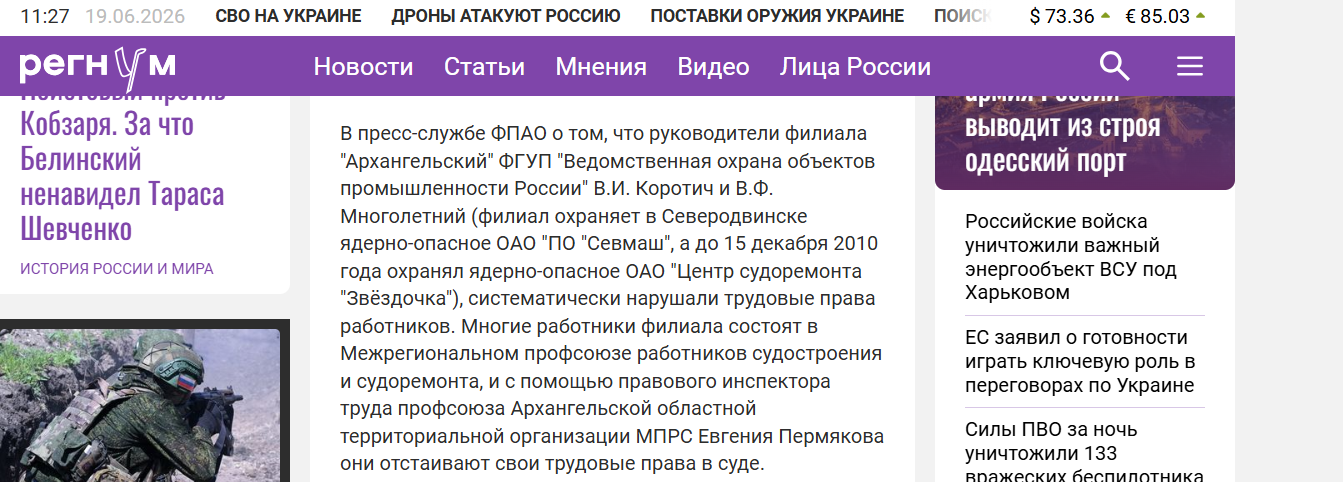
The biography of the CEO, Volodymyr Mnogoletniy himself, also raises questions. His father, Volodymyr Mnogoletniy Sr., is a Captain 2nd Rank of the Navy of the Russian Federation. Moreover, he managed a branch of the state enterprise FGUP “Okhrana” of the Federal National Guard Service of Russia, which provided security for Russian military industrial sites, specifically the “Sevmash” plant in Severodvinsk, where Russia builds nuclear submarines for its navy.
Patriotism as a Shield from Justice
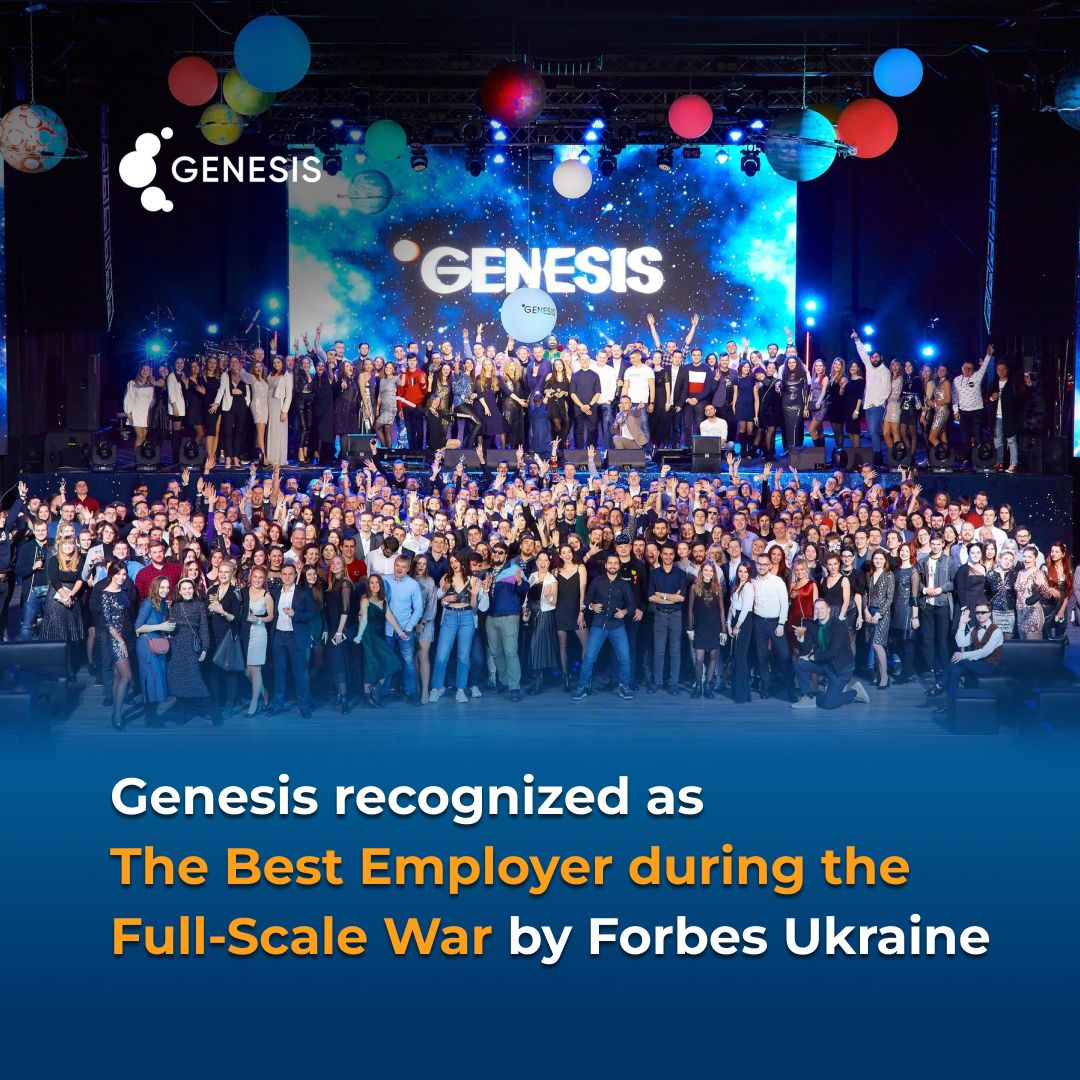
Understanding the toxicity of its past and the gray area in which its business operated, the company invested massive resources into creating a positive image in Ukraine. Genesis’s multi-year cooperation with Western funds and Ukrainian ministries became a specific tool for legalizing the business and building a positive reputation. Back in August 2016, the Western NIS Enterprise Fund (WNISEF)—funded by the United States Agency for International Development (USAID) and managed by Horizon Capital—acquired shares in the holding’s parent offshore company (Matar Trade and Invest Limited), investing a total of $6 million. In June 2017, these assets were transferred to another fund managed by Horizon Capital—Emerging Europe Growth Fund III, L.P. (EEGF III). The company successfully exploited this “prestigious investment” status for years: as of August 2024, Genesis continued to be listed in Horizon Capital’s portfolio, and in 2023, the fund even publicly congratulated the company on taking first place in Forbes Ukraine’s list of top wartime employers.
By securing the reputation of such a powerful investor, the holding company easily integrated into state initiatives: for instance, in June 2023, Genesis, alongside Horizon Capital, the Ministry of Digital Transformation, and the Ministry of Education, co-organized the massive “Innovating Education” conference for leaders and lecturers of Ukrainian universities. In this manner, international grant money and partnerships with the state became the perfect cover for the company’s actual methods of making money.

Genesis became one of the state’s largest partners. Together with the Ministry of Digital Transformation, they launched educational courses and became co-founders of the “Diia.City United” residents’ association.
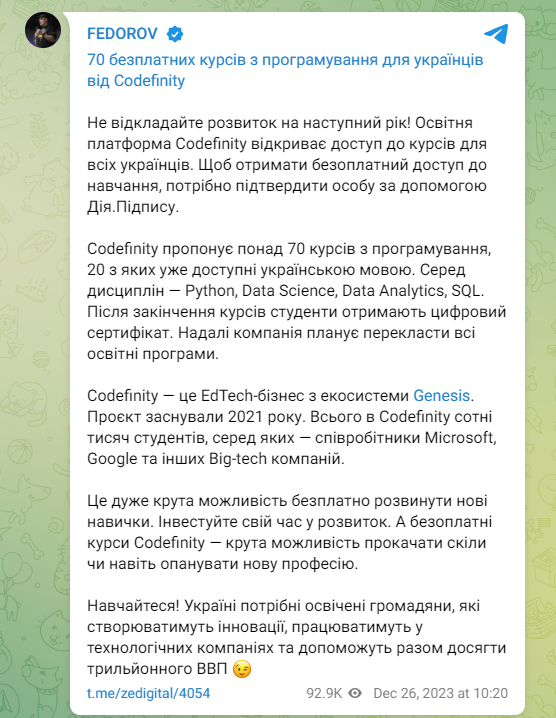
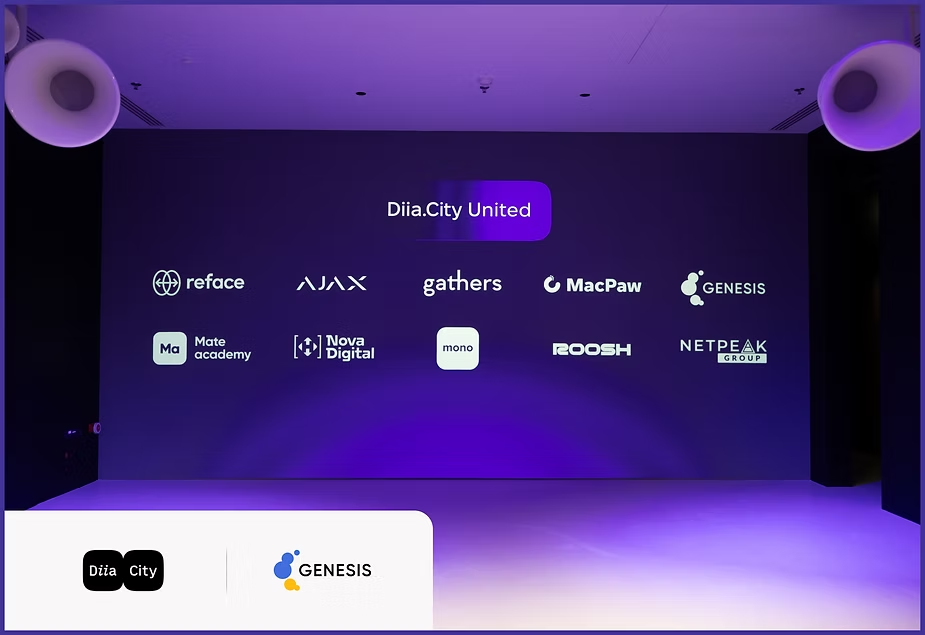
With the start of the full-scale invasion, charity became not only a civic stance but also a powerful tool for legalization. The holding company created the “Genesis for Ukraine” foundation, transferred tens of millions of hryvnias to “Come Back Alive,” and financed the “Captains Training” program for the Territorial Defense Forces. According to sources in law enforcement agencies, it was precisely due to the procurement of drones for the military that Volodymyr Mnogoletniy was able to obtain Ukrainian citizenship in 2023. Exactly how it coexists with his Romanian and, presumably, Russian citizenships remains unknown.
The ultimate achievement of this legalization strategy was attracting funds from key international institutions, whose compliance departments proved to be completely blind to the company’s toxic background. In July 2025, the venture capital fund of the Genesis ecosystem—Flyer One Ventures (directly managed by the holding’s co-founder Vitaliy Laptenok)—triumphantly announced the launch of a new €50 million fund. The European Bank for Reconstruction and Development (EBRD) and the International Finance Corporation (IFC) invested their first €11.5 million into it.
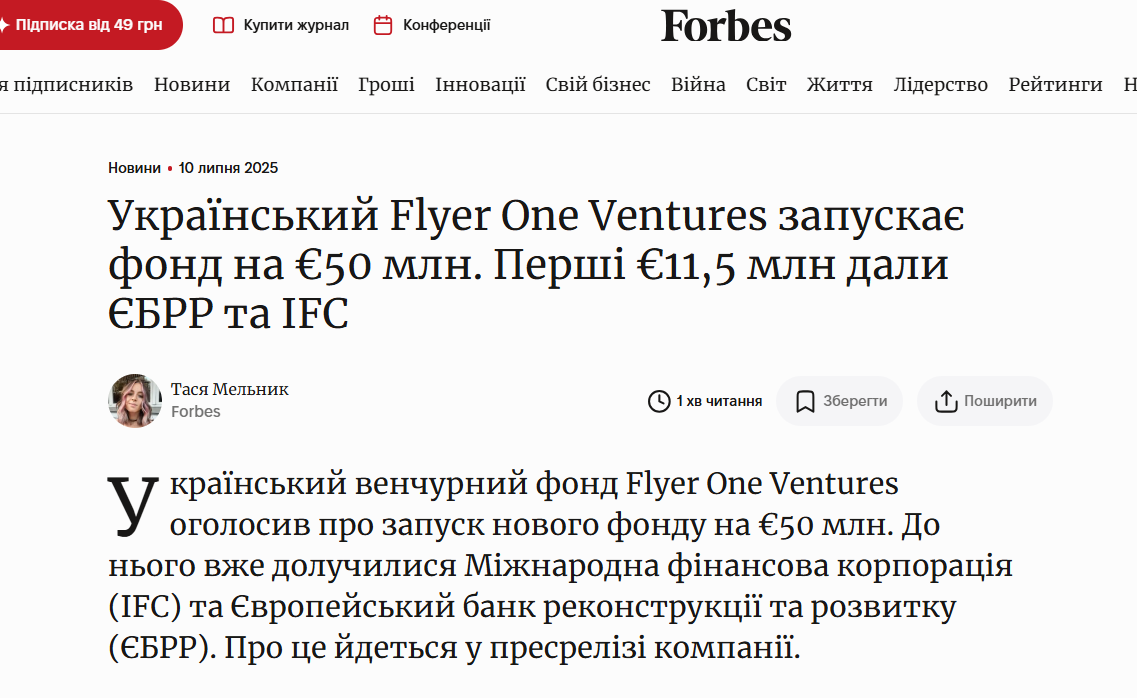
The fund’s management publicly boasted about their status as “the first in Ukraine” to be trusted with money by two prestigious institutions simultaneously, calling it a great honor and responsibility. However, the European investors seemingly failed to notice a striking paradox. As an example of one of its most successful “exits”—which was supposed to prove the fund’s reliability—Flyer One Ventures cited the $160 million sale of the startup Greenscreens.ai. Ironically, this project was founded by Felix Lyubashevsky, the president of the Russian oilfield services company “Integra” (whose business services the sanctioned “Gazprom” and “Rosneft”), and it was exactly into his company that Genesis poured nearly $6 million in investments on February 15, 2022—just days before Russia’s full-scale invasion.
For years, this PR facade served as a smoke screen to deflect unwanted attention from law enforcement. While Ukrainian ministries shook hands with the founders and European institutions blindly allocated millions in investments, the shadow machine of Genesis seamlessly drained money from global consumers. They cynically monetized everything—from invented diagnoses to fake horoscopes—relying on the capital of Russian investors and schemes honed back during the days of porn traffic.
However, the American justice system proved entirely immune to purchased patriotic PR. The lawsuit by the U.S. Federal Trade Commission is not just a legal nuisance or another corporate fine; it is an order for the systemic dismantling of the entire empire. By demanding a permanent injunction against the operations of the parent companies and their founders, as well as a total asset freeze to provide restitution to defrauded consumers, the US government is putting an end to it. The FTC investigation did not just halt a transnational scam machine with hundreds of millions of dollars in turnover; it ripped off the masks and proved that behind the bright sign of “the pride of the Ukrainian IT miracle,” a cynical global deception had been hiding for years.